

Clean, versatile, and increasingly central to the vision of carbon-free economies, hydrogen’s rise as an energy carrier is gaining momentum globally. Yet one fundamental challenge shapes its potential—the issue of hydrogen storage solutions. The search for safe, efficient, and scalable ways to store hydrogen determines how industries, utilities, and consumers can fully embrace this promising resource.
Understanding hydrogen storage methods
The broad array of hydrogen storage methods reflects hydrogen’s unique properties. As the lightest molecule, it escapes easily and requires specialized containment strategies that differ significantly from those used for natural gas or other fuels. Researchers are continually refining these approaches to find the right balance between cost, safety, efficiency, and practicality.
Hydrogen storage methods fall into three main categories: physical, chemical, and hybrid systems. Each offers specific applications, faces scalability challenges, and demands distinct infrastructure. The best solution depends on whether the focus is mobility, stationary use, or industrial-scale supply chains.
Physical storage: high-pressure and liquid hydrogen storage
Physical storage dominates where rapid deployment or mobile applications are crucial. High-pressure storage involves compressed hydrogen held in cylinders or large tanks at pressures between 350 and 700 bar (upwards of 10,000 psi). This approach has become standard for fuel cell vehicles and many refueling stations, thanks to mature technology and straightforward handling, though it requires significant energy for compression.
Liquid hydrogen storage takes a different path by chilling hydrogen to -253°C, turning it into a dense liquid. This method increases storage density compared to gaseous forms but introduces insulation challenges and risks of boil-off during transport or long-term storage. Despite these obstacles, liquid storage supports bulk transfer in space programs and is being adopted in emerging industrial hydrogen storage projects.
Chemical hydrogen storage and advanced carriers
A shift toward chemical hydrogen storage addresses some limitations of physical containment. In these systems, hydrogen bonds with solid or liquid materials, such as metal hydrides, ammonia, formic acid, or organic liquids known as hydrogen carriers. These compounds absorb, release, or carry hydrogen under certain conditions, simplifying logistics and potentially improving overall safety.
Metal hydrides act like sponges, storing hydrogen densely within their crystal lattice. Although heat input is required to release hydrogen, these systems enable modular, compact designs ideal for backup power or portable applications. Organic and inorganic liquid carriers dissolve or chemically bind hydrogen, allowing use of existing fuel infrastructure for transportation without the need for high pressures or cryogenic temperatures.
Key considerations in hydrogen storage infrastructure
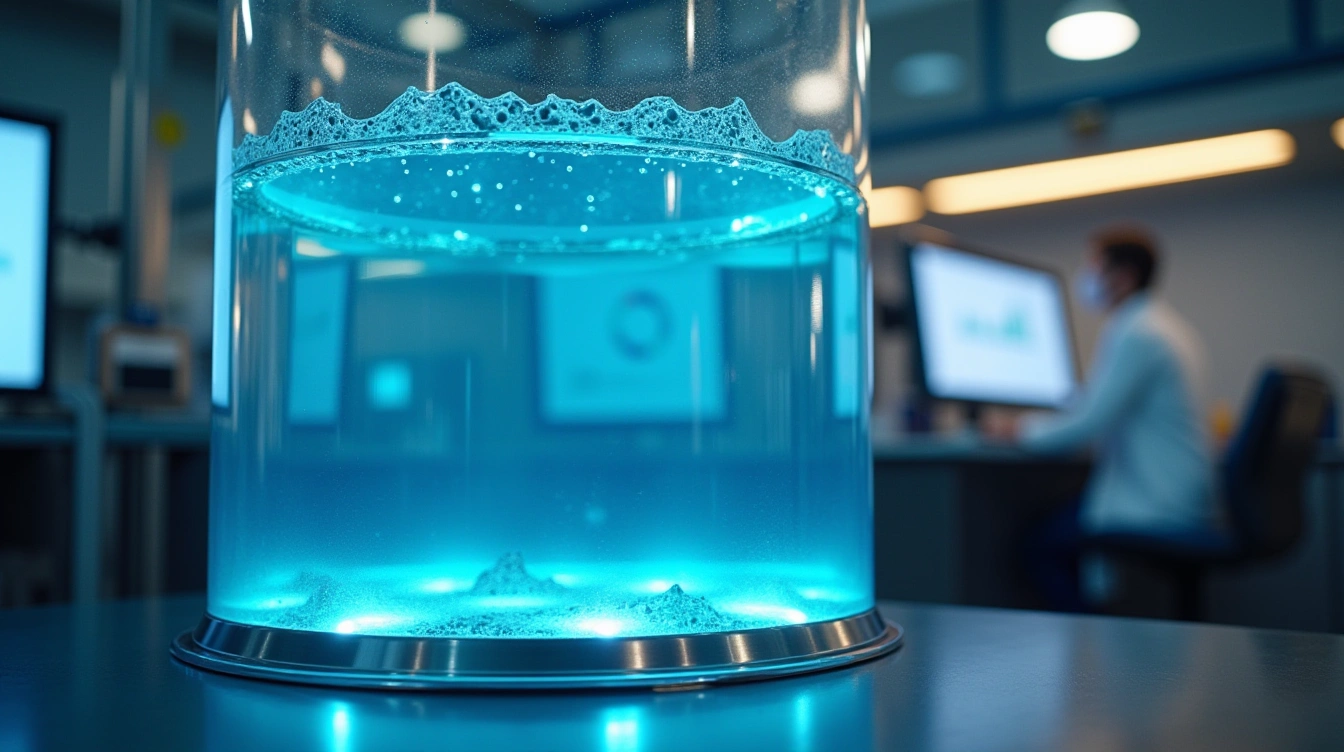
Scaling up hydrogen from laboratory innovation to commercial deployment relies on robust hydrogen storage infrastructure. Requirements vary widely depending on the application, from pipeline-fed urban grids to point-of-sale fueling stations and centralized industrial depots. Companies focusing on hydrogen storage innovations are actively working to overcome gaps in today’s network—for example, you can discover hydrogen storage solutions with vallourec to see real-world approaches to these advances.
Developing infrastructure calls for both technical advances and strategic planning. Integrating storage solutions into the broader hydrogen value chain involves regulatory approvals, standardized equipment, and site-specific risk management. Both government and industry actors are determining how to position hydrogen hubs so production, storage, conversion, and consumption align efficiently.
- 🏭 Centralized industrial hydrogen storage tanks
- 🔋 Distributed high-pressure cylinder banks for refueling stations
- ❄️ Storage farms for liquid hydrogen near ports and transport links
- 🚚 Mobile hydrogen carriers enabling last-mile delivery
- 🔧 Retrofitted underground caverns for seasonal energy storage
Comparing practicality and costs
Selecting between compressed hydrogen, liquid, or chemical carriers often depends on practical considerations. Initial capital investment, ongoing maintenance, system energy losses, and local regulations all play a role. For example, while high-pressure tanks are reliable for vehicle fleets, their lower volumetric density can increase space requirements. In contrast, metal hydride systems offer higher density but add weight and complexity.
These trade-offs become more pronounced in industrial contexts, where scale amplifies both efficiency gains and losses. The following table summarizes key characteristics:
| 🔑 Method | 💰 Typical cost | 📦 Density (by volume) | ⚙️ Application example |
|---|---|---|---|
| High-pressure storage | Medium | Moderate | Vehicle fueling stations |
| Liquid hydrogen storage | High | High | Space launch facilities |
| Chemical hydrogen storage | Varies | Highest | Backup power modules |
The importance of safety in storage design
As with any energy source, effective hydrogen storage rests on strict adherence to safety standards. High-pressure systems must prevent leaks through redundant valves and carefully chosen vessel materials. Liquid hydrogen storage presents additional hazards due to extremely low temperatures, requiring double-walled tanks and secure safety zones.
Chemical hydrogen storage brings its own set of challenges, especially if hydrogen release processes generate byproducts or require external triggers. Ongoing research into safer storage chemistries receives strong support from public agencies and leading hydrogen storage companies determined to set new benchmarks for industry safety.
The impact of hydrogen storage innovations
Rapid progress in material science, engineering, and digital monitoring is driving continual improvement in hydrogen storage solutions. New sensors now detect leaks almost instantly, and smart composite tank materials combine strength with lighter weights than traditional steel options. Nanostructured sorbents may soon achieve unprecedented energy densities for next-generation devices.
The development of recyclable, non-toxic hydrogen carriers could enable cross-border shipments and longer-term storage in remote regions. Coupled with renewable-powered hydrogen production, these innovations stand to transform energy systems worldwide. Flexible and resilient hydrogen storage will be essential—not just for cars, but also for power plants, data centers, ships, and even household appliances in the future.
- 🧪 Metal-organic frameworks for ultra-dense adsorption
- 📲 AI-driven leak detection networks
- 🌱 Biodegradable chemical hydrogen carriers
- 🛰 Lightweight composite tanks for aviation
Common questions about hydrogen storage solutions
What are the main hydrogen storage methods?
The three primary hydrogen storage methods are: high-pressure storage (compressed hydrogen in tanks), liquid hydrogen storage (cryogenic tanks at very low temperatures), and chemical hydrogen storage (binding hydrogen with materials or chemicals).
- 🚗 Compressed hydrogen for vehicles and fast refueling
- ❄️ Cryogenic liquid hydrogen for high-density needs
- 🔬 Chemical carriers for easier handling and long-duration storage
How does high-pressure storage compare to liquid hydrogen storage?
High-pressure storage keeps hydrogen gas at ambient temperatures but elevated pressure, providing quick access and relatively simple engineering. In contrast, liquid hydrogen storage cools hydrogen to extremely low temperatures, offering much greater density but requiring complex thermal management.
| ⬆️ Feature | High-pressure | Liquid hydrogen |
|---|---|---|
| Density | Moderate | High |
| Energy needed | For compression | For cooling |
| Main use | Refueling, mobility | Bulk shipping, industry |
Why are chemical hydrogen storage solutions being developed?
Chemical hydrogen storage solutions are being developed because they allow hydrogen to be bound with solids or liquids, minimizing risks linked to leaks and making transportation simpler. Many chemical hydrogen storage approaches aim to leverage existing fuel infrastructure and provide reliable, distributed energy supply.
- 🔒 Enhanced safety compared to direct gas storage
- 📦 More compact, high-density formats
- 🔁 Potential to recycle storage media for sustainability
Where is industrial hydrogen storage most commonly used?
Industrial hydrogen storage is most common in concentrated supply hubs serving manufacturing plants, refineries, chemical producers, and large-scale energy facilities. Solutions include underground salt caverns, pressurized tank farms, and liquid hydrogen depots to support steady operations and buffer against market fluctuations.
- 🏢 Chemical industry feedstock
- 🏗 Steel and metals processing
- ⚡ Backup for renewable energy integration